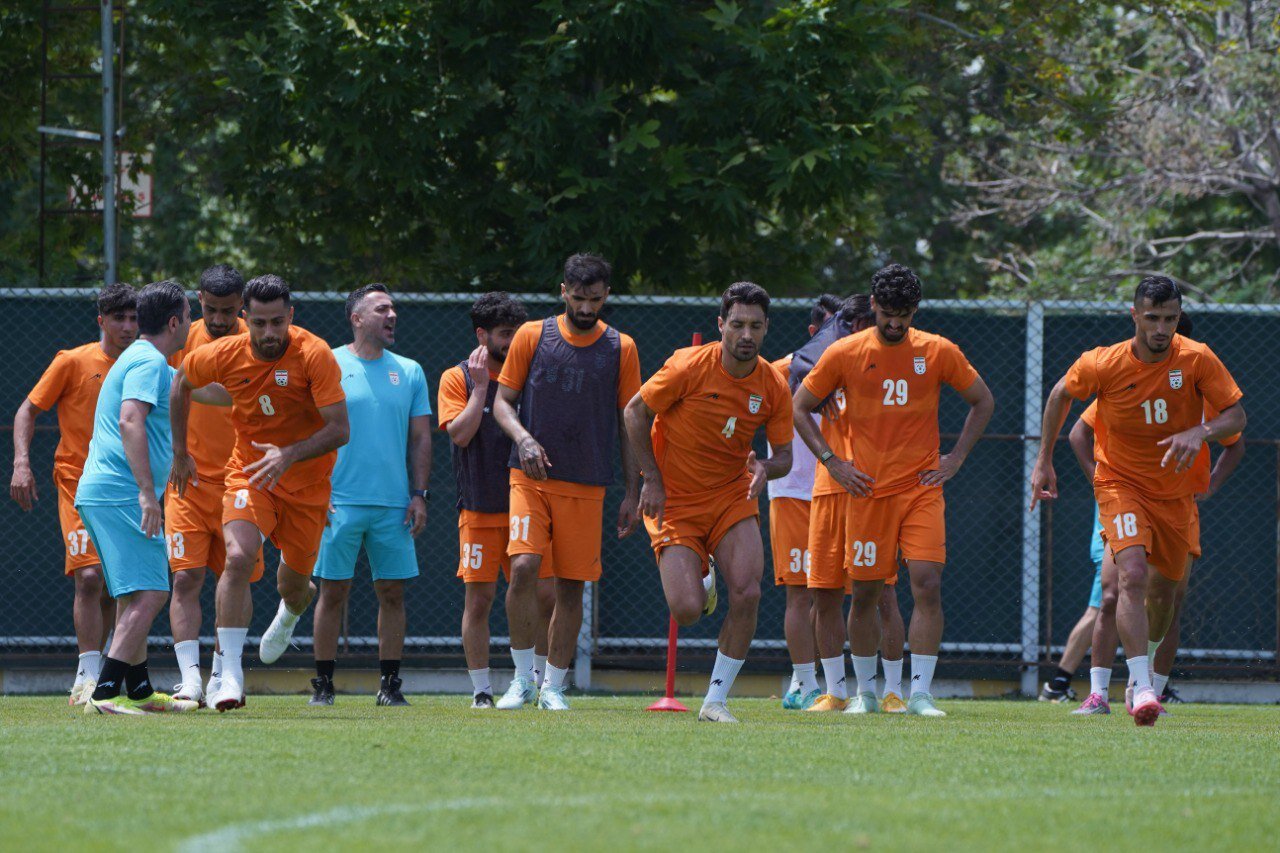
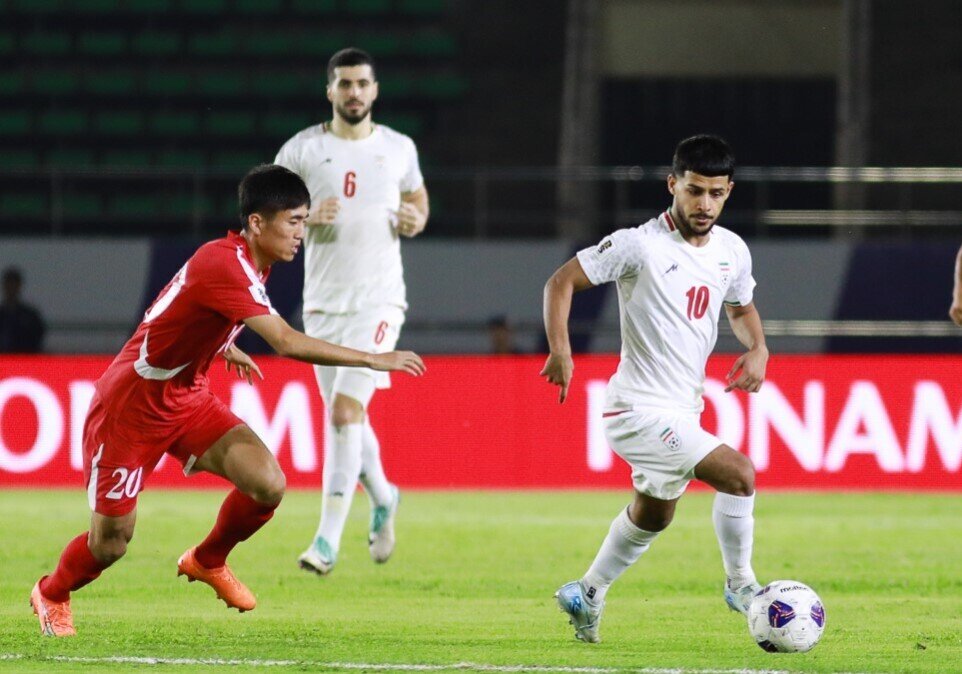
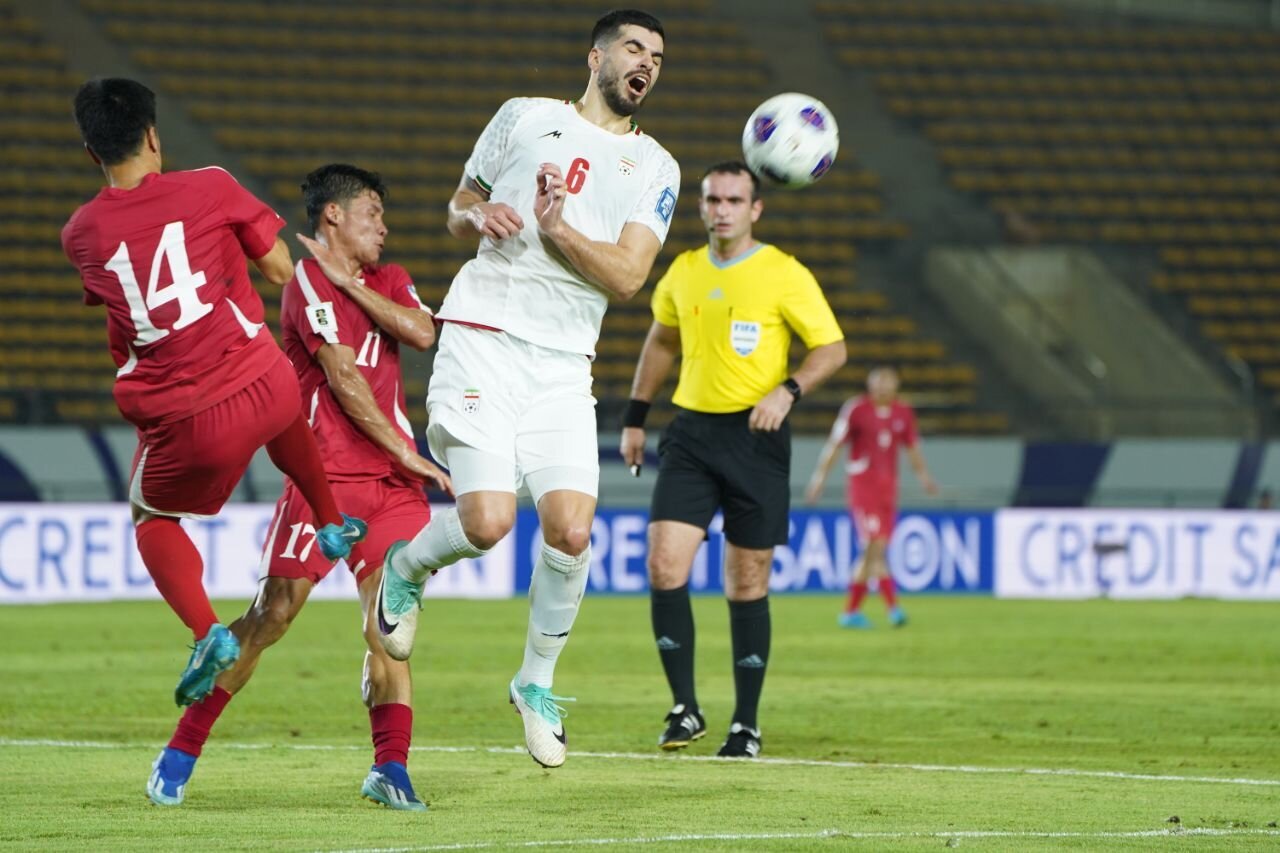
World Cup 2026: Iran Bid to Make Their Mark on the Global Stage

Team Melli World Cup 2026

Iran will head into the 2026 FIFA World Cup eager to prove that they deserve to rub shoulders with the best international teams on the planet.

A quick look at the latest World Cup betting listed on Bettingtop10.com highlights the size of the task they face, with bookmakers rating them as 500/1 shots to lift the trophy.

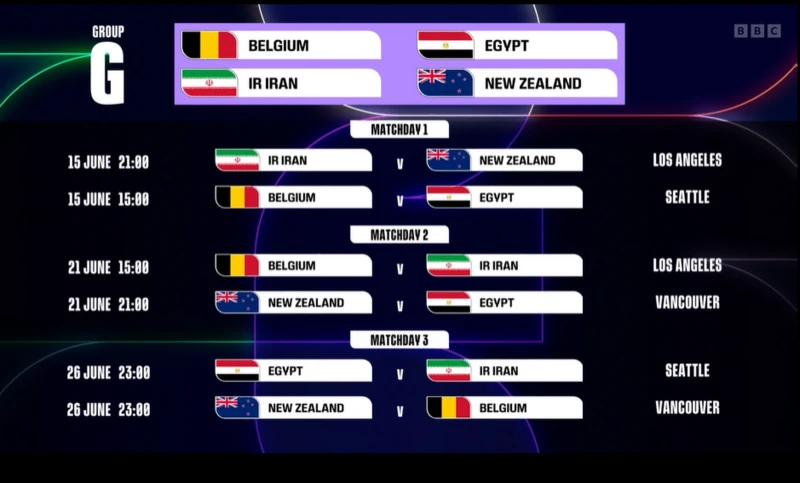
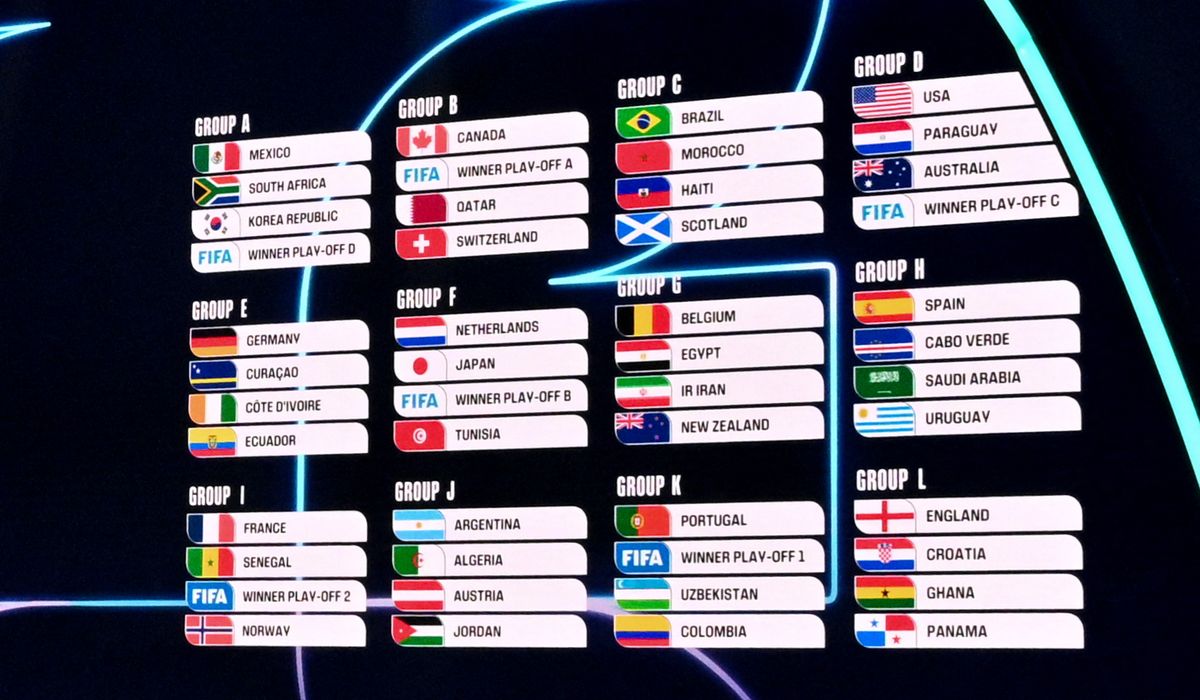
However, having been drawn to face New Zealand, Belgium and Egypt in the group stage, Iran will believe they can upset the odds by progressing to the round of 32.

Iran’s Squad Continuity and Tactical Identity

Iran have a clear structure that has survived several managerial changes. They are led by players who have experience across previous World Cups and continental tournaments.

This provides Iran with a level of understanding that many mid-tier nations find hard to replicate, especially in defensive organisation and counter-attacking play.

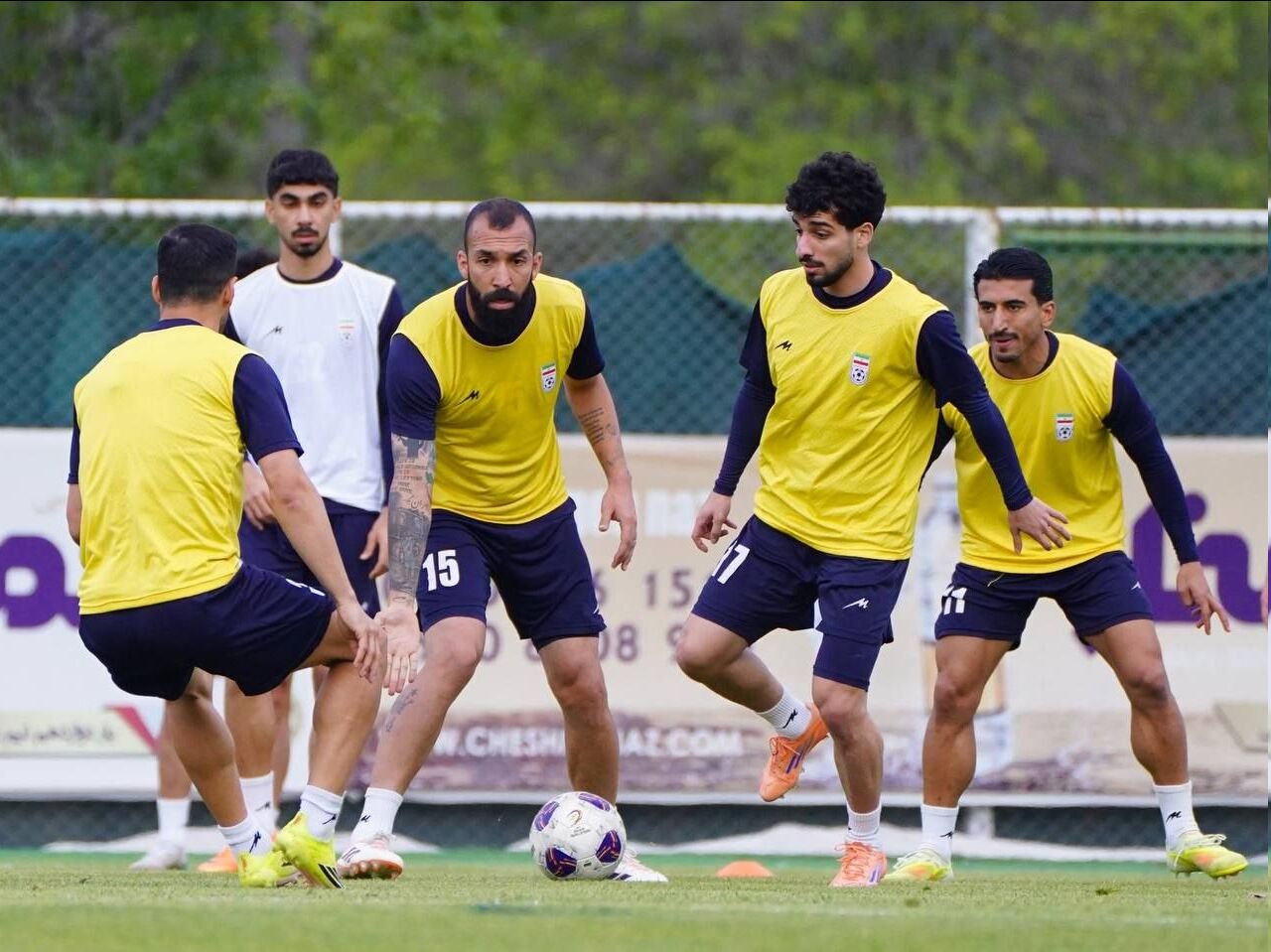
Their tactics are rooted in a compact defence, disciplined midfield spacing and rapid vertical progression once possession changes hands.

This game plan has been a success, but it has also enforced a ceiling when facing teams capable of unlocking low blocks with sustained pressure.

Coaches have tried to make incremental changes, introducing a progressive style of football and encouraging wing plays, but the core identity is deeply seated in control and springiness.

That style of play faces a significant test in the group stage, as their opponents will arrive with higher tempo, deeper attacking rotations and greater squad depth.

Within their game style, Iran’s frontline must convert chances, while midfielders need to transition quickly between defensive screening and forward support.

Any breakdown in these roles will create immediate pressure on the defence, which cannot bank on sustained possession to remove pressure.

The group dynamics and margins of qualification

Iran’s pathway to the next round hinges on marginal gains across tightly balanced fixtures in the group stage.

While Belgium are the standout team, they are not unbeatable. The games against New Zealand and Egypt are both winnable. Defeating the Kiwis in their tournament opener is crucial.

Iran’s history shows a tendency to grow into competitions, but this leaves little margin for error in compressed group formats. Adapting to tactical shifts within a short period of time will demand tactical clarity and physical conditioning.

Set pieces will be a critical variable because Iran has historically leveraged aerial strength and precision from crosses to generate scoring opportunities.

Discipline also plays a role here as accumulated bookings will affect player availability and limit tactical options in fixtures.

Iran must manage aggression with precise control, most especially against opponents who exploit fouls to gain territorial advantage.

Experience, Expectation and the Weight of Opportunity

The Iranian squad has endured repeated near-misses, creating a collective awareness of what differentiates progression from elimination.

It will be pertinent for senior players to stabilise performance levels during adverse moments, keeping structure when matches turn around unexpectedly.

Communication on the pitch, most importantly within defensive units, will determine whether flaws become decisive errors or remain contained.

Public expectation has also changed as Iranian fans no longer view group-stage presence as glory.

This new expectation shows the growth in Iranian football, where consistent qualification has increased standards rather than satisfied them.

All of the coach’s decisions from substitutions, tactical adjustments and game management choices now face heightened scrutiny. There is little room for conservative decision-making, especially in matches where a draw offers little value.

During the World Cup, Iran will need players who can come in as replacements and still maintain performance levels without disrupting tactical coherence.

Iran have the structural discipline, experienced core and tactical awareness required to compete in their group. Anything less than progression to the last-32 would be viewed as failure.
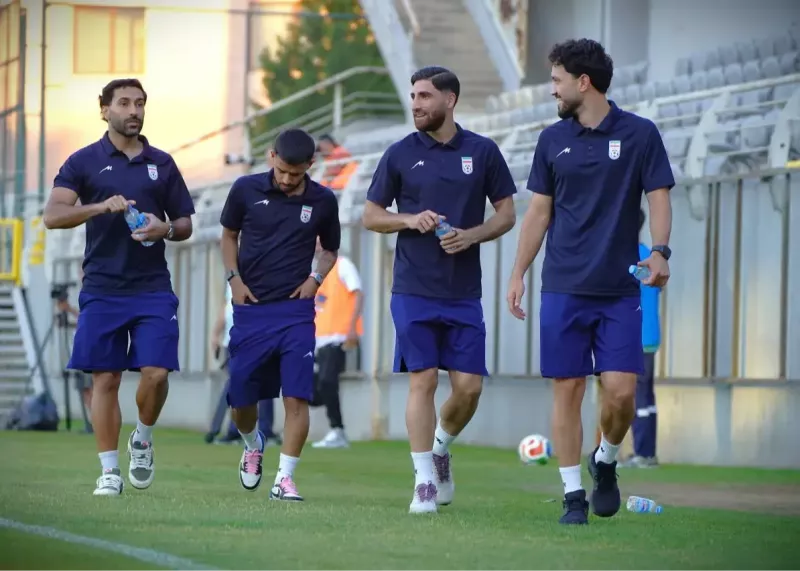
Iran Announce Final 26-Man Squad for the 2026 FIFA World Cup

Team Melli

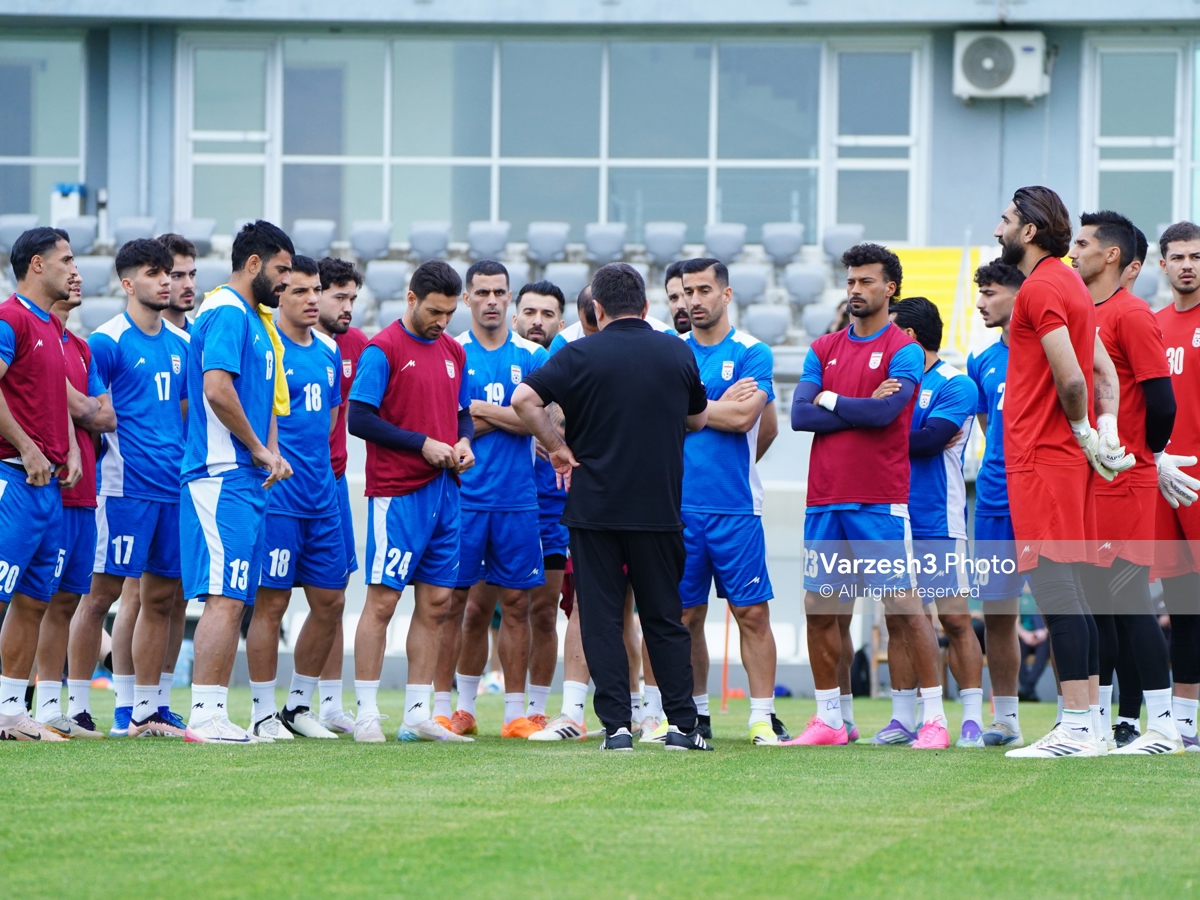
PLDC - Iran head coach Amir Ghalenoei has officially named his final 26-man squad for the 2026 FIFA World Cup after evaluating players during the national team’s training camp in Antalya and reviewing their performances in the recent friendly against Gambia.

World Cup set to Boost Fan Engagement in the Middle East

Soccer Middle East 

While the 2026 FIFA World Cup will be hosted by the United States, Canada and Mexico, its impact will undoubtedly be felt across the globe.

The Middle East is a prime example. Football in the region received a massive boost after FIFA staged the 2022 edition of the tournament in Qatar.

The tournament will return to the region in 2034, with Saudi Arabia awarded the rights to host the event. The economic effect of staging the World Cup is massive for the Middle East. 

Intriguingly, hosting major sports events has forced some countries in the region to reconsider their traditionally strict opposition to gambling.

The best World Cup betting sites 2026 for Arabs will be inundated with new customers this summer as football’s greatest show takes centre stage. Betting is not the only sector which will benefit.

Read on as we take a closer look at how this summer’s World Cup in North America will affect the Middle Eastern market this summer.

How Time Zone Differences Could Impact the GCC’s Young Audience

The 2026 World Cup will feel very different for fans in countries across the Gulf Cooperation Council (GCC), particularly because of time zones and viewing habits.

Fans will be forced to break routine and move out of their comfort zones with many games set to kick off very late at night or early in the morning.

That could mean a lot of casual fans may not be able to watch live matches. They may instead rely on catching up through highlights, social media clips, replays or mobile streaming.

This doesn’t mean that they will lose interest in the World Cup, but the difficulty of keeping up with the time zone difference will likely change how they watch the games.

The younger audience across the GCC will be affected by this schedule, although they are more likely to go the extra mile to catch all the action live.

Saudi Arabia has one of the youngest populations in the world, with an estimated 63 percent under the age of 30. Research shows that a lot of them focus more on individual players than clubs.

Many Gen Z fans follow star players first, and only then care about the national teams they play for. This is more common in Saudi Arabia than in many other parts of the world.

That makes the expanded 48-team World Cup format a huge positive for the fans, with 60% of them rallying behind the new system.

Arab Representation Reaches Historic Levels in 2026

The 2026 World Cup is poised to make waves across the wider Middle East and North Africa (MENA) region, given the record number of Arab nations set to feature in the tournament.

It is a sign that football in the region is getting stronger and more competitive, which makes sense considering that many Middle Eastern nations have invested heavily in sports over the past few years.

Saudi Arabia is an ideal example of this development, considering how much the government has poured into its sporting industry over the years.

Investing in sports is a key part of the nation’s Vision 2030 initiative, an executive plan developed to diversify the country’s primary revenue stream away from energy.

There is still some way to go before kick-off, but excitement for the tournament is already reaching fever pitch across the Middle East.

The previous record of four Arab teams participating in the World Cup was set in 2018, when Saudi Arabia, Egypt, Tunisia and Morocco qualified for the tournament in Russia.

That record will be doubled this time around with eight Arabian nations set to feature at the World Cup - Algeria, Egypt, Iraq, Jordan, Morocco, Qatar, Saudi Arabia and Tunisia.

How the World Cup Will Impact Football Viewing in the Middle East

Football fans in the Middle East will have to find new ways to watch the World Cup, especially for those who aren’t making the trip to North America to watch the action live.

Traditional television will be the primary way to watch the games, but streaming platforms, smart televisions and mobile apps will also be popular.

People will not only watch live games but will also consume football in other ways, such as highlights, short clips, replays, tactical analysis and different language commentary.

That will give fans the flexibility to engage with the tournament at their own convenience, rather than disrupting their schedule to stay up late at night or early in the morning.

Analysts describe this as a ‘catch-up economy’, where attention is spread out across time instead of being focused on a single live moment.

This tweak could also affect advertising as brands may no longer rely on the exposure live TV provides.

To stay ahead of the curve, they will need to reach fans across multiple digital spaces, including social media, streaming platforms, apps and other online environments.

Iran National Team Base Camp Moved Out of the United States

Team Melli Tijuana

PLDC - As concerns continue over U.S. visa approvals for Iran national team players, Iranian Football Federation president Mehdi Taj announced that Iran’s World Cup base camp has officially been moved from the United States to Tijuana, Mexico.

Ghalenoei to Attend World Cup 2026 Draw in Washington D.C.

Ghalenoei USA

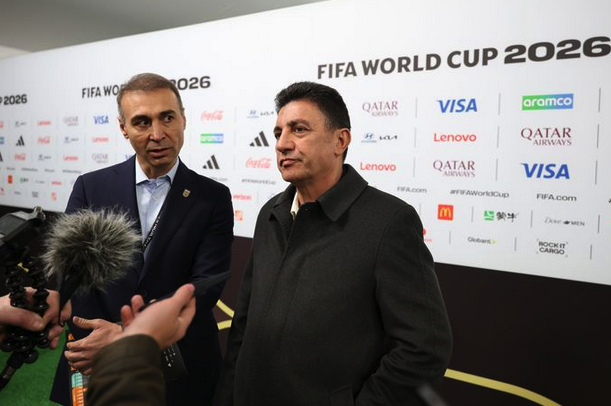
PLDC - Amir Ghalenoei, head coach of the Iran national football team, along with Omid Jamali, Head of the International Department of the Iran Football Federation, will travel to the United States to attend the 2026 FIFA World Cup Draw ceremony.

Iran Placed in Pot 2 for 2026 FIFA World Cup Draw

2026 FIFA World Cup Draw

PLDC - Iran’s national team will be in Pot 2 for the 2026 FIFA World Cup group-stage draw, which will take place on December 5. With the seeding pots now confirmed, the path toward forming the 12 groups for the expanded 48-team tournament is officially set.

Qatar 1-0 Iran [VIDEO]

Qatar vs Iran

AFC - Qatar kept their FIFA World Cup qualification hopes alive on Thursday as Pedro Correia scored the only goal in a 1-0 win over the 10 men of the Islamic Republic of Iran in Doha to confirm his side’s progress to the playoffs of the AFC Asian Qualifiers™ - Road to 26.

A glance at Amir Ghalenoei’s Iran

team Melli

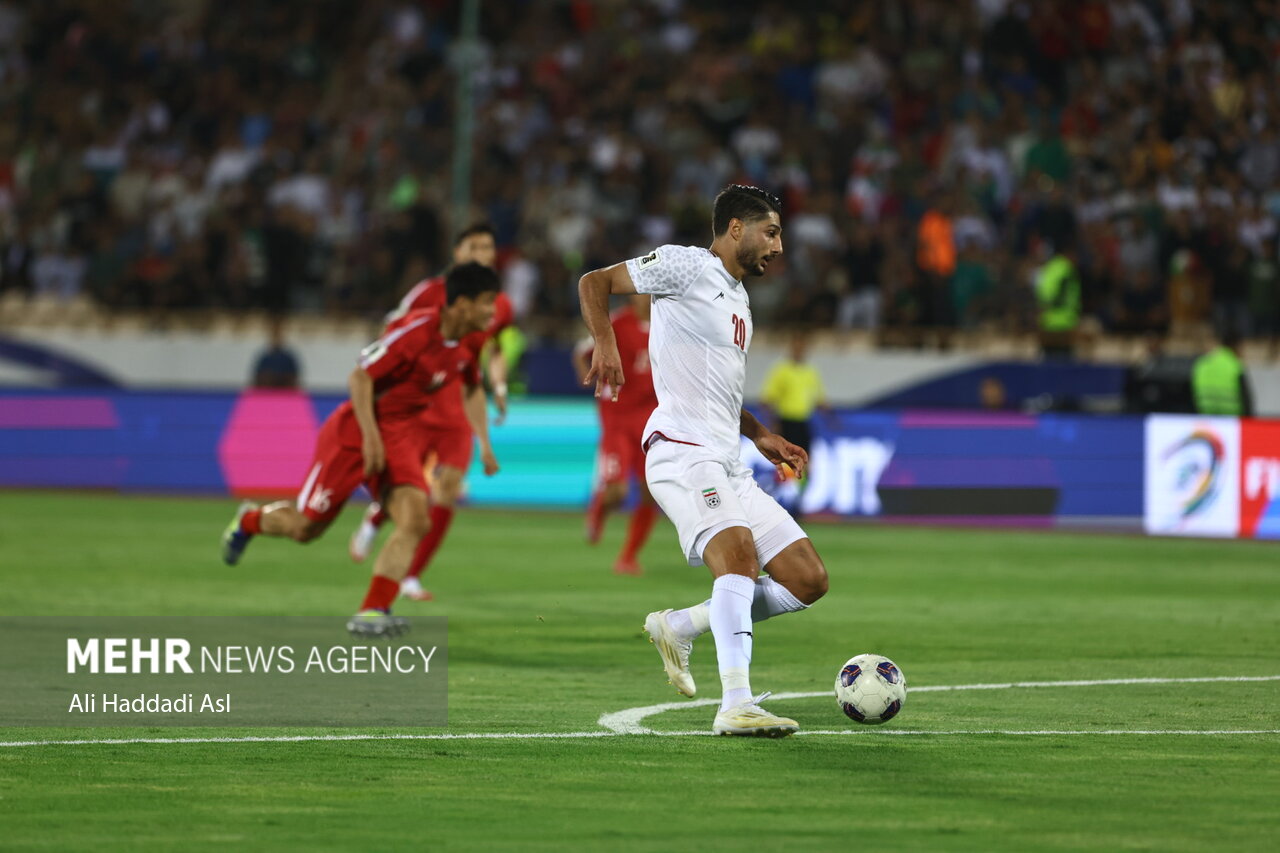
Tehran Times - Head coach Amir Ghalenoei has announced his 28-man squad for the upcoming 2026 World Cup qualification matches against Qatar and North Korea, as Iran's national football team look to solidify their commanding position atop Group A. Having already secured their berth in the 2026 FIFA World Cup, Team Melli aim to conclude the third round of Asian qualifying on a high note.